
Parc Princesse-Antoinette
Created in 1917 when Prince Albert I saved the area from industrialisation and created the park to protect the olive groves.
Discover and book the top Monaco sights
Created in 1917 when Prince Albert I saved the area from industrialisation and created the park to protect the olive groves.

The grand palace of the Prince of Monaco was built in 1215 by the Genoese and has been transformed into one of the most luxurious residences in the world.

This fort was built in the 18th century with a beautiful promontory position overlooking the bay.

Eze's exotic gardens were created after the Second World War, in the ruins of Eze castle. Located on steep terrain, it boasts wonderful panoramic views of the sea, the Esterel mountains and the Saint-Tropez gulf.

The cathedral of Monaco is dedicated to the Virgin, although popularly known as Saint Nicholas because of the church that previously stood on its site. The current building was built in the 19th century.
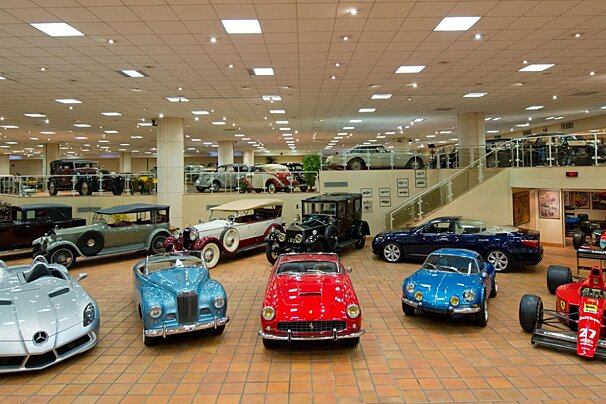
Prince Rainier III was a huge car enthusiast and amassed a vast collection of vintage cars.

The Museum of Napoleonic Souvenirs and Historic Archives of the Palace houses a collection by Prince Louis II.

This impressive villa was built in 1906 by Béatrice Ephrussi de Rothschild. It overlooks the Mediterranean sea from Cap Ferrat and it is full of antique furniture, Old Master paintings, sculptures and a collection of rare porcelain, while the gardens are classified as Notable Gardens of France.

This factory for perfume, soap and cosmetics, has very modern laboratories and workshops. Discover the secrets of manufacturing perfumes and cosmetics.

Museum charting the history of transport in the area, with lots of old vehicles to look at. Located in an old rail warehouse in Breil.

The new national museum of Monaco is housed in two villas, the Villa Sauber and the Villa Paloma. The Villa Sauber is one of the last Belle Epoque villas in Monaco and is dedicated to art and performance. The Villa Paloma was built in the early 20th century and is dedicated to art and territory.

The bastion was built in the 17th century by Honoré II, Prince of Monaco, as a fort to defend the entrance to Menton. It now exhibits artwork by Jean Cocteau.

Sovereign Prince, scholar and explorer, Albert I of Monaco, devoted his life to the Principality forces as well as scientific investigation. This museum showcases his passion.

These zoological gardens were established in 1954 and house a collection of over 250 species of animals, from hippos to black panthers and lemurs.

Monaco's exotic garden was opened to the public in 1933. In its prestigious, open-air setting, it brings together a wide variety of succulent plants.

There are rare philatelic specimens from the postal history of the Principality, as well as related documents used in the stamp-printing process dating back to Monaco's Prince Charles III in 1885.

Beautiful baroque architecture, examples of 17th- and 18th-century frescoes and furniture and a large terraced garden.

A surprisingly diverse museum exhibiting a range of artefacts from sculpture and paintings, to military uniforms and musical instruments.