
Jardin Animalier, Monaco Ville
These zoological gardens were established in 1954 and house a collection of over 250 species of animals, from hippos to black panthers and lemurs.
Discover and book the top Monaco sights
These zoological gardens were established in 1954 and house a collection of over 250 species of animals, from hippos to black panthers and lemurs.

The area around the Cote d'Azur is rich in prehistoric artefacts, many of which can be found in this fascinating museum.

Built in the year 6 BC, the trophy of Augustus honoured Octavius, Caesar's nephew and future emperor under the name of Augustus, who had conquered the Alpine tribes.

The Museum of Napoleonic Souvenirs and Historic Archives of the Palace houses a collection by Prince Louis II.

A surprisingly diverse museum exhibiting a range of artefacts from sculpture and paintings, to military uniforms and musical instruments.

Monaco's exotic garden was opened to the public in 1933. In its prestigious, open-air setting, it brings together a wide variety of succulent plants.
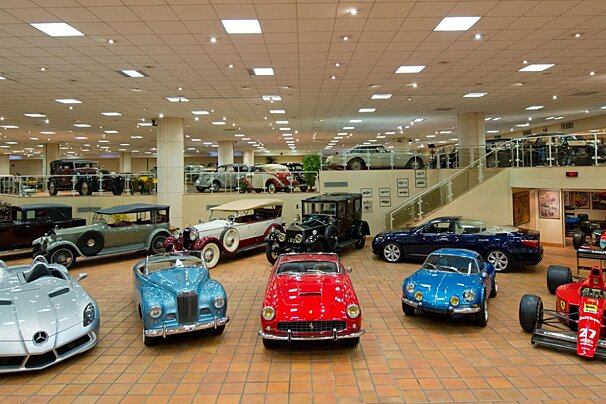
Prince Rainier III was a huge car enthusiast and amassed a vast collection of vintage cars.

There are rare philatelic specimens from the postal history of the Principality, as well as related documents used in the stamp-printing process dating back to Monaco's Prince Charles III in 1885.

This fort was built in the 18th century with a beautiful promontory position overlooking the bay.

The new national museum of Monaco is housed in two villas, the Villa Sauber and the Villa Paloma. The Villa Sauber is one of the last Belle Epoque villas in Monaco and is dedicated to art and performance. The Villa Paloma was built in the early 20th century and is dedicated to art and territory.

The grand palace of the Prince of Monaco was built in 1215 by the Genoese and has been transformed into one of the most luxurious residences in the world.

The cathedral of Monaco is dedicated to the Virgin, although popularly known as Saint Nicholas because of the church that previously stood on its site. The current building was built in the 19th century.

Sovereign Prince, scholar and explorer, Albert I of Monaco, devoted his life to the Principality forces as well as scientific investigation. This museum showcases his passion.

These well-manicured gardens contain a variety of beautiful plants, trees and flowers as well as being home to the wonderful Princess Grace rose garden.

Sainte-Dévote is the patron saint of the Principality of Monaco.

It’s hard to overstate the importance of Port Hercule in Monaco. At the foot of the rock on which the Prince's palace sits, this large marina sits in a natural deep bay carved out of the sheer cliffs of Monacois. It was used as far back as Roman times.

Created in 1917 when Prince Albert I saved the area from industrialisation and created the park to protect the olive groves.

The Rock of Monaco is a 62 metre tall promontory overlooking Monte-Carlo's port and the Mediterranean sea. It is also the oldest of Monaco's areas, where the Old Town is located.